

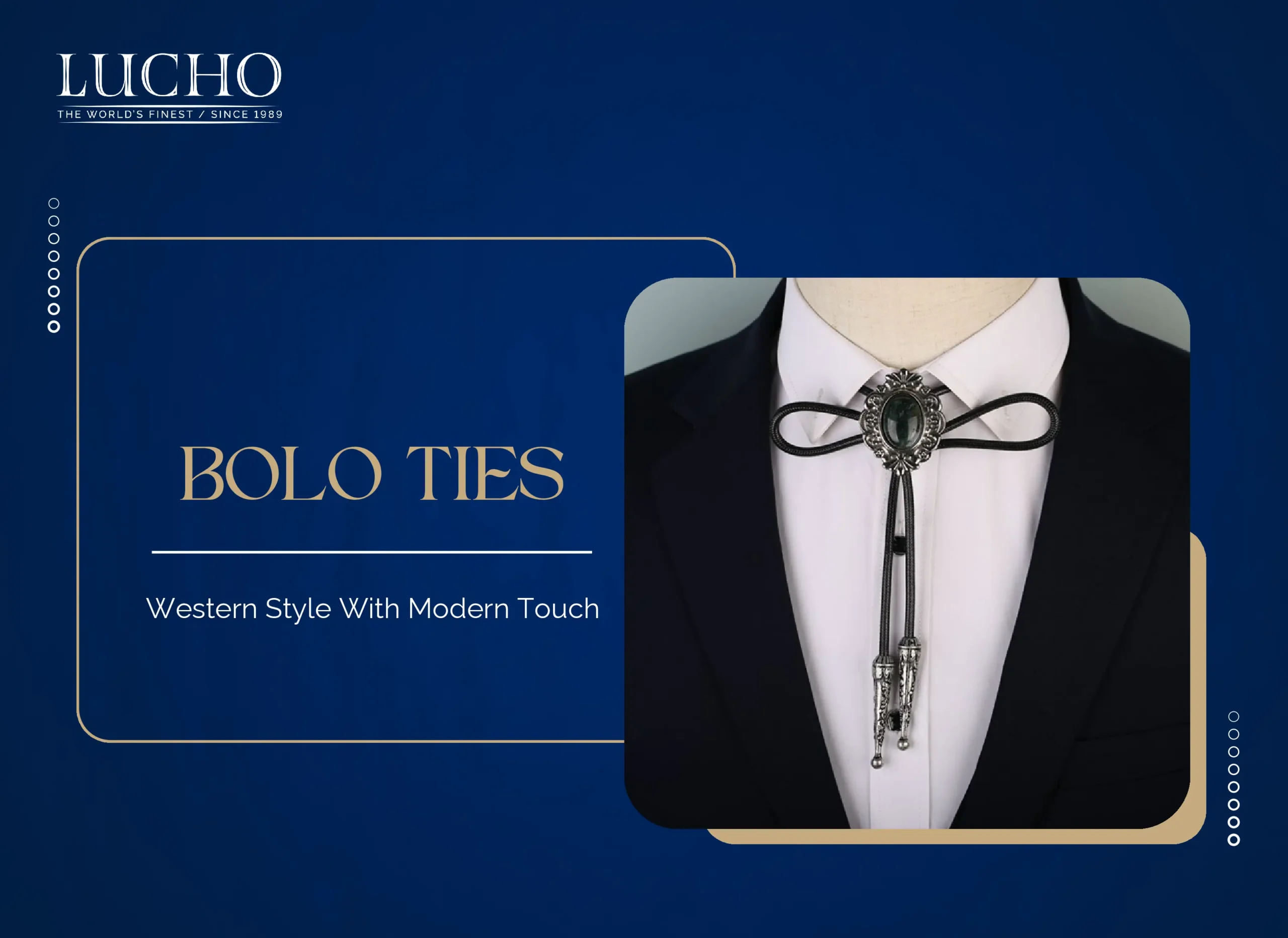
Bolo Tie: A Complete Guide to Style, History, and How to Wear One
Ever seen someone wearing a bolo tie and thought it looked genuinely cool, without knowing how to pull it off yourself? You’re not the only one. This tie carries real character without trying too hard. It has history, personality, and a way of standing out that a regular necktie doesn’t quite match. This guide covers what a bolo tie is and how to wear one with confidence.
Table of Contents
ToggleWhat Is a Bolo Tie?
A bolo tie is a style of neckwear built from a braided leather or woven cord, decorative metal tips, and a movable ornamental clasp or slide. It’s tied to Western and Southwestern fashion, though it works as an everyday casual alternative to a traditional necktie too.
How to Wear a Bolo Tie
This is where most people have questions, and the good news is a bolo tie is easier to wear than a traditional necktie. There’s no knot involved; you slide the clasp up or down the cord until it sits where you want it. Here’s how to style it for different occasions.
With a Suit or Blazer
A bolo tie paired with a suit looks sharp and distinctive. Choose one with a thin silver or dark stone clasp, button the collar all the way, and set the clasp roughly where a tie knot would sit. Navy or charcoal keeps things simple, and a clean, uncomplicated shirt lets the clasp stand out.
A blazer pairs naturally with a bolo tie. Heavier textured fabrics like tweed or linen, paired with a solid shirt and a turquoise or silver clasp, work well for dinners, gallery visits, or creative office settings.
With a Casual Shirt
A jacket isn’t required. A bolo tie looks good with a chambray shirt, denim shirt, or Western-style shirt. For a more relaxed feel, loosen the clasp so it sits a few inches lower on the chest. For something more polished, keep it close to the collar. That one adjustment changes the whole tone of the look.
Bolo Tie Placement and Length
Point collars and button-down collars both suit a bolo tie well. A spread collar leaves too much open space around the cord and tends to look off. The cord tips should land around mid-chest; letting them hang lower than that reads as sloppy rather than intentional.
Treat the bolo tie as the statement piece of the outfit. Skip the pocket square or lapel pin alongside it, since layering on extra accessories competes with the clasp instead of letting it lead.
How to Choose the Right Bolo Tie
Start with the clasp material, since it sets the tone for the whole outfit. Sterling silver reads as the most classic option and works in both formal and smart-casual settings. Turquoise and other stone clasps suit creative events and semi-formal outings. Leather, bone, and wood clasps fit informal wear best.
If you’re buying a Native American-style bolo tie, look for one handcrafted by a Native American artisan. These pieces carry real cultural history, and buying authentic work supports the artists behind it directly.
How to Care for Your Bolo Tie
A well-made bolo tie lasts for years with a little upkeep.
Cleaning the clasp: Silver clasps tarnish over time, which is normal. Buff tarnish away with a soft silver polishing cloth. If the clasp holds turquoise or another stone, skip chemical silver cleaners, since they damage the stone. Use a dry cloth on the silver and a lightly damp cloth on the stone itself.
Looking after the cord: Leather cords dry out and crack over time. Apply a small amount of leather conditioner every few months to keep it supple. Keep the cord away from water, and if it gets wet, dry it flat rather than hanging it, since hanging stretches the leather out of shape.
Storing it right: Store the bolo tie flat or coiled loosely in a drawer or small jewelry box. Avoid hanging it for long stretches, since that stretches the cord, and keep silver clasps away from humidity. With more than one bolo tie, wrap each in a soft cloth so the clasps don’t scratch against each other.
Final Thoughts
A bolo tie brings a casual feeling with real personality behind it, adding character to an outfit without overwhelming it. Wear one a few times to get a feel for it, then branch into different clasp materials and cord styles from there. Ready for your first bolo tie, or looking to add another to the rotation? Lucho carries a range built for exactly that, alongside the rest of our suit accessories for finishing a complete look. For the full rundown on other neckwear styles, our types of ties guide covers everything from standard neckties to knit ties.
Frequently Asked Question
A bolo tie is a style of neckwear made from a cord with an ornamental clasp or slide at the center. The clasp sits at the throat and the cord ends hang down the chest. It’s more casual than a standard necktie and simpler to wear, since there’s no knot involved.
Slide the clasp to the height you want, close to the collar for a dressier look or a few inches lower for something more relaxed, and pair it with a suit, blazer, or a casual shirt like chambray or denim.
Yes, especially for a Western-themed, rustic, or outdoor wedding. Pair it with a well-fitted blazer or suit and keep the rest of the outfit simple so the bolo tie stands out as the statement piece.
Sterling silver works for both formal and smart-casual settings. Turquoise and other stone clasps suit creative or semi-formal events, while leather, bone, and wood clasps fit casual wear best.
Start with the clasp material based on how formal the occasion is, then match the cord color to your shirt and jacket. A silver or dark stone clasp works well for dressier looks, while leather or turquoise fits casual settings.
Contact Us
Recent Posts
- Your First Custom Suit Fitting: What Happens and How to Prepare
- What Is Cocktail Attire for Men? A Simple Guide
- Wool vs Linen vs Cotton: Best Suit Fabric for Houston Heat
- What to Wear to a Cigar Lounge: A Men’s Style Guide
- How to Measure Yourself for a Suit at Home (Easy Guide)
- Suit vs Tuxedo: The Real Difference (and When to Wear Each)
- The Return of the Double-Breasted Suit: How to Wear It in 2026
- Best Dress Pants for Men: The Ultimate 2026 Fit & Style Guide
- Black Suits Men: Style Guide & When to Wear Them
- Business Casual for Men: Modern Rules and Ideas for 2026