

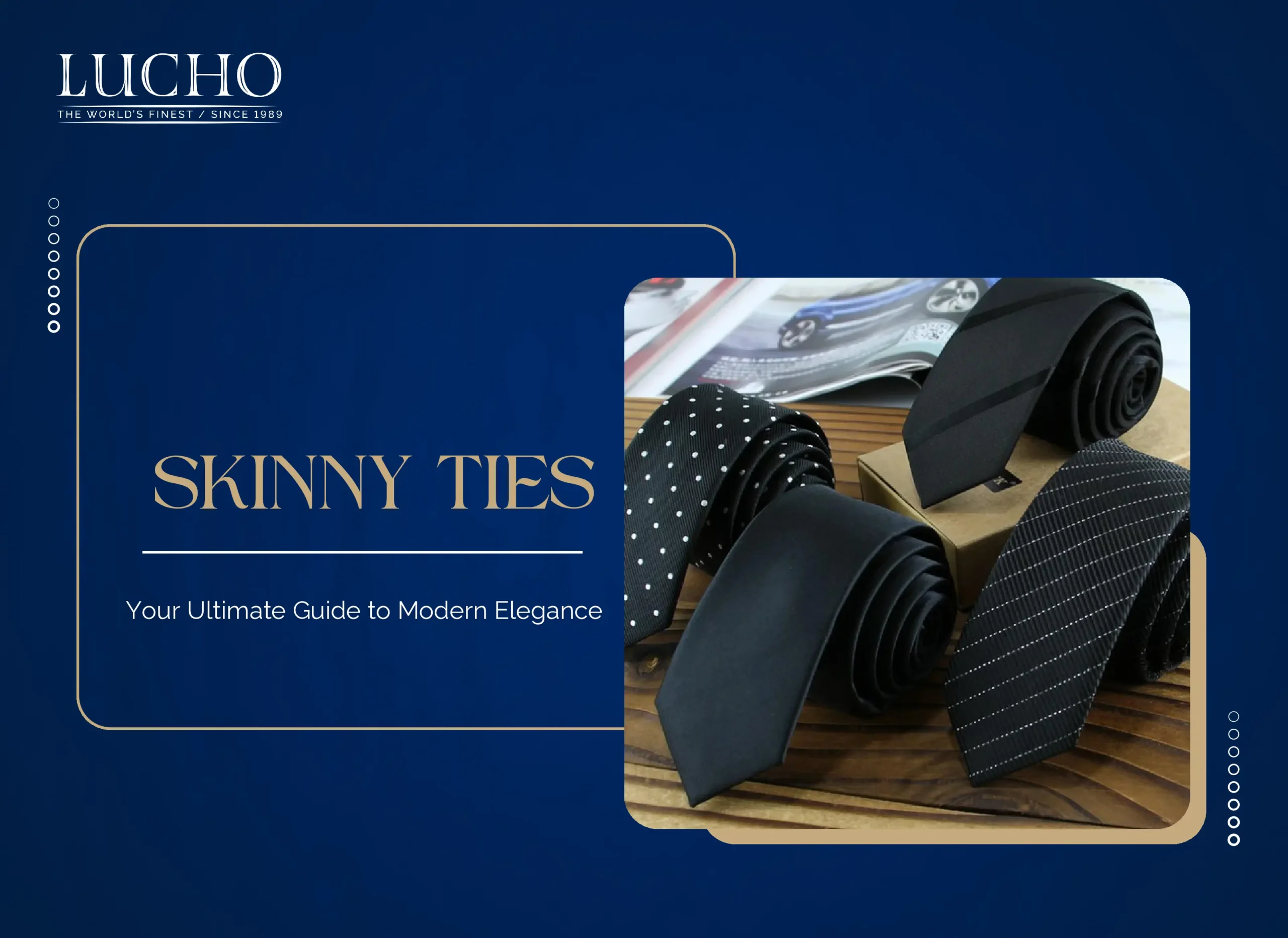
How to Wear a Skinny Tie: The Complete Style Guide
A skinny tie can make a fitted outfit look sharper in seconds, or throw the whole thing off balance if the width, length, or knot doesn’t match what you’re wearing. The idea behind it is simple: a slimmer tie for a slimmer silhouette. Getting it right just takes knowing a few rules most guides skip over.
Table of Contents
ToggleWhat Makes a Skinny Tie Different From a Regular Tie?
A standard tie usually runs around 3 to 3.5 inches wide. A skinny tie sits closer to 2 to 2.75 inches, sometimes narrower. That difference isn’t just cosmetic; it changes how the tie reads against your shirt and jacket. A skinny tie draws a clean, narrow line down the center of your outfit, which works best against fitted shirts and slimmer lapels. Put it against a wide-collar shirt or a boxier jacket, and the proportions stop matching, which is where a lot of the “why does this look off” feeling comes from.
Getting the Fit Right
Three things determine whether a skinny tie looks intentional or accidental:
- Width: A medium-slim width, right around 2.5 inches, works for most builds and outfits. Going too thin can look flimsy rather than sharp.
- Length: The tip should land right at your belt buckle. Anything noticeably shorter or longer breaks the clean line that the tie is supposed to create.
- Knot: Skip the bulky Windsor knot here. A four-in-hand knot, small and slightly asymmetric, matches the slim proportions far better than a large, symmetrical knot ever will.
How to Wear a Skinny Tie With Your Shirt and Suit
Contrast is what makes this work. A darker tie against a lighter shirt, or a lighter tie against a darker shirt, keeps the look clean without extra effort. If your shirt already has a pattern, keep the tie solid. If the shirt is plain, a subtle pattern on the tie adds interest without competing for attention.
The same logic applies to whatever you’re layering on top. If you’re deciding between a jacket to complete the look, our guide on sport coats versus suit jackets walks through which one pairs better with a slimmer, more fitted outfit.
Skinny Ties for Business Casual vs Formal Events
For business casual, a skinny tie is one of the easiest ways to look put together without going full formal. Dark, solid colors read as professional, while lighter shades or a subtle texture work fine for a more relaxed office. For traditional formal events, black tie in particular, most style traditionalists still recommend a standard-width tie or bow tie instead. A skinny tie can work for semi-formal or creative-industry events, but it’s worth checking the dress code before wearing one somewhere strictly formal.
Common Mistakes to Avoid
- Pair it with a wide collar. Slim ties need a narrower collar to look balanced; a wide spread collar overwhelms the tie.
- Tying a large knot. It cancels out the entire point of going slim in the first place.
- Reaching for very bright colors. Bold, loud colors can look busy rather than sharp on a narrow tie.
- Letting it wrinkle. A slim tie shows creases more obviously than a wider one, so keeping it pressed matters more here.
Best Colors for a Skinny Tie
Neutral colors, black, navy, and charcoal, do the most work with the least effort, since they pair with nearly any shirt and jacket combination. Dark tones read as more formal and businesslike, while lighter shades work well for daytime or casual settings. If you want to experiment with pattern or color, keep it to one bold element per outfit; either the tie or the shirt stands out, not both.
Caring for Your Skinny Tie
Hang your tie after each wear instead of leaving it knotted or balled up; this lets small wrinkles fall out naturally. Avoid folding it tightly in a drawer, since that can crease the fabric permanently. Store ties somewhere dry, and if a wrinkle does set in, a light steam usually removes it without needing heat directly on the fabric.
Skinny Ties in Houston
Houston’s heat and humidity are worth factoring into your tie choice, not just your suit. Lighter silk or silk-cotton blends breathe better through long days in and out of air conditioning, and they hold their shape better than heavier fabrics that can feel stiff in the heat. Whether you’re dressing for an office in the Energy Corridor or an evening event downtown, a well-chosen skinny tie in the right fabric weight keeps you looking sharp without feeling overdressed for the climate.
Final Thoughts
A skinny tie is a small piece with an outsized effect on how an outfit reads, sharp and modern when the width, length, and knot all match, and slightly off when they don’t. Get those basics right, pair them with the right formal shirt, and it becomes one of the easiest upgrades in your wardrobe.
Ready to find the right one? Visit Lucho to browse our tie collection and get fitted in person.
FAQs
What is the correct length for a skinny tie?
The tip of the tie should land right at your belt buckle. Shorter or longer than that throws off the clean line the tie is meant to create.
Can skinny ties be worn in formal settings?
They work well for business casual and semi-formal events. For strictly formal or black-tie settings, a standard-width tie is usually the safer, more traditional choice.
How do I choose the right skinny tie color?
Start with neutral tones like black, navy, or charcoal, they pair with almost any shirt and suit combination. Save bolder colors for more casual settings.
How should skinny ties be stored properly?
Hang them after each wear rather than knotting them up or folding them tightly, and keep them somewhere dry to protect the fabric and shape over time.
FAQs
Skinny ties are slim ties designed for a modern look. They create a clean and sharp appearance for outfits. They are popular because they match fitted clothing styles well. They also work for both casual and formal occasions.
Yes, skinny ties can be worn in formal settings easily. Choose dark colors and simple designs for the best results. Keep the tie neat and properly shaped. This helps maintain a professional appearance.
Skinny ties should end at your belt line exactly. A shorter or longer tie can look unbalanced. Correct length helps create a clean outfit shape. Always adjust the knot to reach the right length.
Choose colors based on your shirt and the occasion. Dark ties work well with light shirts. Light ties match better with darker shirts. Neutral colors are always safe and easy to style.
Skinny ties should be stored flat or loosely rolled. Avoid folding them to prevent wrinkles and damage. Keep them in a clean and dry place. Proper storage helps maintain their shape longer.