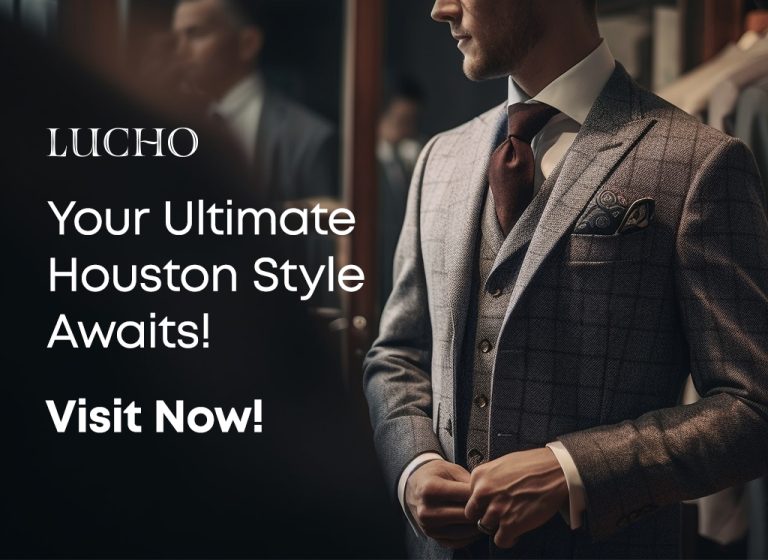


Formal Suits For Men
Formal Suits For Men Grace in Men’s Tailored Clothing since 1989″
For over three decades, Lucho has been a symbol of craftsmanship and refinement in men’s tailored clothing. Since its founding in 1989, Lucho has become synonymous with formal suits for men, and tailored suits for men, offering a legacy of excellence and precision in every stitch.
- Legacy of Excellence
- Tailored and Precision
- Transformative Wardrobe Experience
- Highlighting the Collection
Legacy of Excellence:
Lucho’s outstanding reputation extends far and wide, characterized by an unwavering commitment to crafting the finest formal suits for men. With a rich 30-year tradition, the store’s ideology revolves around delivering an experience beyond apparel, encapsulating a fusion of exceptional craftsmanship and personalized service. Lucho’s formal suits for men represent not just fashion but a legacy that stands the test of time.
Tailored and Precision:
What sets Lucho apart lies in its meticulous approach to tailoring. Up to three hundred points of measurement are used to create an article of clothing that fits perfectly. From expertly crafted suits for men, dress shirts, and tuxedos to casual wardrobes and overcoats, we transform not just clothing but the personal presentation of our customers. Our tailored suits for men are designed with precision, ensuring that every stitch and detail reflects our dedication to providing the best men’s tailored clothing in the industry. Whether you’re looking for modern style formal suits for men or something more classic, Lucho’s dedication to perfection makes each suit coat a true reflection of your personal style.
Transformative Wardrobe Experience:
More than just clothing, our creations signify a transformative wardrobe experience. The formal suits for men we craft not only embody exceptional fit and comfort but also reflect an individual’s style and refinement. Our designs are not merely about appearance; they are about conveying confidence and culture, demonstrating elegance and individuality in every getup.
Highlighting the Collection:
Lucho’s collection boasts an array of classic fine fabrics, offering a diverse range of options to suit a wide variety of tastes. Whether seeking a classic fit that shows enduring elegance, a modern fit resonating with contemporary style, or a sleek shape in a slim fit, our ready-to-wear collection helps to cater to all preferences. For those seeking exclusivity, artisans at Lucho are adept at designing custom suits for men, ensuring a truly personalized sartorial masterpiece.
Houston, TX: The Hub of Tailored Excellence
Situated in the vibrant city of Houston, Lucho stands as a symbol of tailored excellence, providing specifically to the refined tastes of the clients. Its presence in Houston reflects a commitment to providing the utmost in quality and style to a wise audience seeking nothing but the best in tailored men’s clothing. For over three decades, Lucho has redefined the essence of sharp elegance, solidifying its reputation as Houston’s premier destination for impeccably tailored formal suits for men. Lucho takes pride in offering the finest tailoring services, specializing in crafting custom suits for men that embody style and refinement. Upgrade Your Wardrobe Today
The Essence of “Formal Suits For Men
Formal Suits For Men hold an enduring charm, representing elegance and professionalism. Our collection at Lucho demonstrates a commitment to providing the best in tailored clothing for men, meticulously designed and customized to perfection. Set an Appointment
Crafting Formal Suits for Men
Legacy is not merely about clothing; it’s a narrative of precision, elegance, and a tradition of excellence that beats time. For those seeking an experience beyond ordinary clothing. Lucho offers an unmatched blend of heritage and contemporary culture, ensuring that every garment is a testament to individuality and refined taste. We understand that a suit isn’t merely an ensemble; it’s a statement. Our crafters meticulously design and tailor suits, paying attention to every detail and ensuring that each piece reflects individuality and fits flawlessly. Design Your Custom Fit
Boost Your Style with Lucho’s Tailored Mastery
Our dedication to crafting Formal Suits for Men transcends fashion; it’s about elevating personal style and confidence. Our tailor services in Houston, TX represent a fusion of tradition and modernity, offering not just suits but an experience that celebrates individuality and refinement. Modern Fit, Slim Fit, and Classic Fit: our tailored suits for men cater to a range of preferences, ensuring that you find the perfect fit for your style.
Modern Fit
The Modern Fit suit by Lucho embodies contemporary elegance. It strikes a balance between comfort and style, offering a sleek shape while allowing ease of movement. With slightly tapered trousers and a jacket that gently hugs the body without being overly fitted, the Modern Fit suit displays sophistication for the modern gentleman.
Slim Fit
Classic Fit
Classic Fit suits represent timeless elegance and traditional tailoring. Characterized by a more relaxed and roomy fit throughout the jacket and trousers, this style offers comfort without compromising on sophistication. The jacket provides a broader shoulder line, while the trousers have a comfortable, straight-leg design, catering to those who appreciate a more traditional and refined look.
Choosing Your Perfect Fit
Our dedicated team understands the importance of finding the right fit. Whether you prefer the contemporary allure of the Modern Fit, the sleekness of the Slim Fit, or the timeless charm of the Classic Fit, our expert staff is ready to help you select the perfect suit that complements your style and physique.
A Fit for Every Gentleman
Our commitment to tailoring excellence extends to offering a diverse range of fits, ensuring that every Formal Suits for Men fits flawlessly and resonates with their unique style. Whether it’s the modernity of the Modern Fit, the sharpness of the Slim Fit, or the timeless appeal of the Classic Fit, we deliver tailored perfection for every preference.
Basic to Extreme Styles in Formal Suits For Men
Formal Suits For Men come in a multitude of styles, ranging from classic, understated designs to bold and revolutionary choices. We pride ourselves on curating a diverse collection that caters to varying tastes, ensuring every gentleman finds a man in suit, that resonates with his unique style.
Classic and Grace
Classic Formal Suits for Men remain a cornerstone in mens sports coat fashion. These suits feature timeless elements: single-breasted jackets with notch lapels, neutral colors like navy, black, or charcoal, and straight-cut trousers. These suits epitomize sophistication and versatility, suitable for a range of formal occasions.
Modern Style
Modern Formal Suits for Men offer a twist to traditional styles. These suits often incorporate subtle updates, such as slimmer lapels, shorter jackets, and narrower trousers. They maintain the elegance of classic designs while infusing a touch of contemporary flair, appealing to individuals seeking a refined yet fashion-forward look.
Bold Patterns and Colors
For those seeking to make a statement, bold patterns and vibrant colors add an extra dimension to formal wear. Striped, checked, or textured suits in eye-catching hues like burgundy, royal blue, or emerald green stand out, offering a confident and unique style.
Double-Breasted and Peak Lapels
Double-breasted suits with peak lapels show authority and confidence. This style, characterized by two parallel columns of buttons on the front and prominent lapels, adds a sense of power and elegance, ideal for formal events where making a strong impression is key.
Custom and Advanced Designs
For those with a preference for the extraordinary, tailored suits present an opportunity for personalized extravagance. Unique fabrics, unconventional cuts, unbalanced designs, and elaborate detailing redefine formal attire, reflecting the wearer’s personality and individuality.
Tuxedos and Dinner Suits
Tuxedos remain the model of Formal Suits For Men’s wear. With their satin lapels, bow ties, and typically darker hues, tuxedos exude sophistication and are reserved for special occasions, offering a level of refinement and elegance that surpasses ordinary suits.
Choosing Your Style
Our vast collection of formal suits for men offers a spectrum of styles, ranging from classic to contemporary. Whether you prefer the enduring appeal of a classic suit, the contemporary style of modern designs, or the daring statement of bold patterns and colors, our range ensures that every gentleman finds a style that resonates with their personality and occasion.